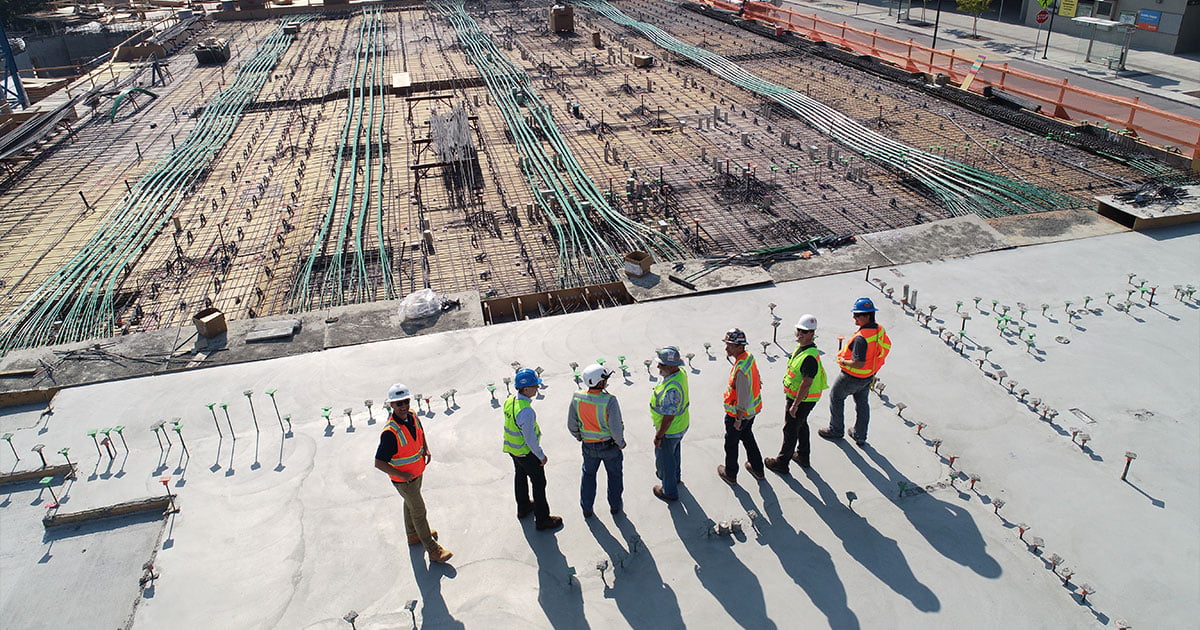
Construction General Contractors’ Duties
A successful construction project involves much more than hiring workers and ordering materials. From early planning through the final inspection, someone must coordinate the construction schedule, subcontractors, materials, budget, field conditions, safety requirements, inspections, and day-to-day decisions.
That responsibility often falls primarily on the general contractor, commonly referred to as the GC.
But what exactly does a general contractor do?
The duties of a general contractor extend well beyond physical construction. A GC typically manages the day-to-day execution of the project, coordinates subcontractors, monitors costs and schedules, manages materials, addresses unexpected field conditions, maintains job-site operations, and communicates with the owner and design professionals.
In New York City, the contractor may also need to coordinate closely with architects, engineers, filing representatives, inspectors, and the NYC Department of Buildings (DOB). Projects involving permits should therefore be properly coordinated with the professionals handling the architectural plans and DOB filing before construction begins.
This guide explains the major construction general contractor duties and responsibilities, from preconstruction planning through project closeout.
What Is a General Contractor?
A general contractor is the person or company responsible for managing and carrying out the construction work associated with a project.
Depending on the project’s size and complexity, the GC may perform certain work with its own employees while hiring specialized subcontractors for other portions of the project.
A typical renovation may involve separate contractors or trades for:
- Demolition
- Carpentry and framing
- Electrical work
- Plumbing
- HVAC
- Sprinkler systems
- Fire alarm systems
- Flooring
- Painting
- Millwork
- Roofing
- Masonry
- Waterproofing
- Finish work
The general contractor serves as the primary coordinator among these different trades.
The GC is generally not responsible for designing the building unless the contractor is separately qualified and retained to provide those professional services. Architectural and engineering responsibilities typically remain with the appropriate registered design professionals.
The contractor’s primary role is to translate the approved construction documents into actual construction in the field.
The specific responsibilities of any general contractor ultimately depend on the contract, scope of work, project type, applicable laws, and building conditions.
1. Reviewing the Project Before Construction Begins
One of the most important general contractor duties begins before construction starts.
An experienced GC should review the available drawings, specifications, existing conditions, project scope, schedule, and site limitations before mobilizing workers.
This review can identify important questions early:
- Can the work actually be constructed as shown?
- Are important dimensions missing?
- Are there conflicts between architectural and engineering drawings?
- Will plumbing, mechanical, electrical, or structural systems interfere with one another?
- Are materials readily available?
- Are long-lead items required?
- Are there access restrictions within the building?
- Does the proposed sequencing of construction make sense?
Identifying these issues before construction begins can prevent costly changes later.
For projects requiring DOB approval, early coordination between the GC and the professionals responsible for architectural plans and DOB filing coordination can help identify potential filing, design, and constructability issues before they become field problems.
2. Understanding the Approved Scope of Work
Before starting construction, the GC should clearly understand what is included in the approved project scope.
This is particularly important in New York City.
A contractor should not assume that an owner’s verbal request automatically forms part of the permitted work. The contractor should understand the approved plans, work permit, relevant specifications, and contractual scope.
If the owner later requests additional work, the project team should determine whether the proposed change affects:
- Approved DOB drawings
- Structural conditions
- Egress
- Fire-rated construction
- Accessibility
- Plumbing
- Mechanical systems
- Fire protection
- Occupancy
- Zoning
- Energy-code compliance
Certain changes may require updated plans or additional DOB filings before the modified work proceeds.
For more complicated projects, a NYC zoning and building-code review can help determine whether a proposed alteration creates zoning or code issues that need to be addressed before construction.
3. Developing and Managing the Construction Budget
Budget management is another major responsibility of a general contractor.
Before construction begins, the GC typically estimates the cost of:
- Labor
- Materials
- Subcontractors
- Equipment
- Temporary protection
- Supervision
- Mobilization
- Disposal
- Insurance
- Overhead
- General conditions
Once construction starts, the contractor must continue monitoring costs.
Construction budgets can change for many reasons.
Existing conditions may differ from what was expected. The owner may request additional work. Material costs may change. A design revision may be necessary. A hidden condition may become visible after demolition.
A responsible contractor documents these changes rather than allowing additional costs to accumulate without explanation.
Good cost management does not necessarily mean selecting the least expensive material or subcontractor. It means understanding the project’s requirements and managing available resources efficiently while keeping the owner informed.
4. Creating and Maintaining the Construction Schedule
Construction involves many activities that depend on one another.
Demolition may have to occur before framing.
Framing may need to be substantially completed before certain mechanical systems can be installed.
Rough plumbing and electrical work may need inspection before walls are closed.
Finish work may have to wait until major construction activities are complete.
The general contractor is responsible for organizing this sequence.
A construction schedule should identify:
- Major construction phases
- Subcontractor start dates
- Material delivery dates
- Required inspections
- Long-lead items
- Owner decisions
- Major project milestones
- Anticipated completion
Creating a schedule at the beginning of a project is only the first step.
The GC must continually compare actual progress against the schedule and adjust when necessary.
If one trade falls behind, the contractor may need to resequence other activities, coordinate alternate work areas, expedite materials, or adjust subcontractor schedules.
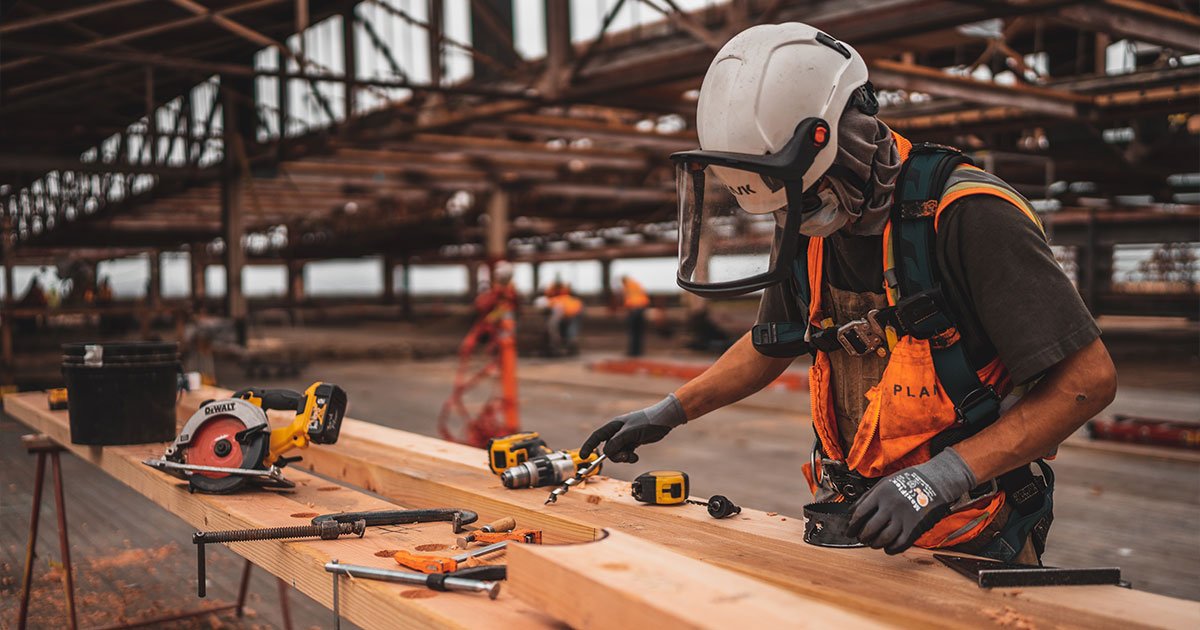
5. Hiring and Coordinating Subcontractors
Most general contractors do not perform every trade themselves.
They depend on specialized subcontractors.
A general contractor may coordinate:
- Electricians
- Plumbers
- HVAC contractors
- Sprinkler contractors
- Fire alarm contractors
- Carpenters
- Painters
- Flooring installers
- Roofers
- Masonry contractors
- Concrete contractors
- Structural steel contractors
- Millworkers
Managing these trades is one of the most important general contractor responsibilities.
Each subcontractor needs to understand its scope, schedule, access requirements, responsibilities, and relationship with the other trades.
Poor coordination can create significant problems.
For example, HVAC ductwork may conflict with structural framing. Plumbing lines may interfere with architectural layouts. Electrical panels may require wall space that another trade has already occupied.
These conflicts are much easier to solve when the GC actively coordinates the work rather than allowing every subcontractor to operate independently.
6. Coordinating Construction Permits
Construction cannot necessarily begin simply because architectural drawings have been completed or because DOB has approved an application.
Depending on the project, appropriate construction permits may still need to be obtained.
In New York City, permits and contractor requirements can vary depending on:
- Type of building
- Scope of work
- Construction classification
- Trade involved
- Required contractor license or registration
- Insurance requirements
- DOB filing type
The registered design professional and contractor may also have different responsibilities during the filing and permitting process.
Architects and engineers generally prepare professional design documents when required, while the appropriate contractor typically handles work-permit requirements related to construction.
Owners and contractors should therefore understand an important distinction:
DOB application approval does not always mean construction can immediately begin.
The appropriate work permit and other required conditions may still need to be satisfied.
HN Republic’s NYC DOB permit expediting services assist project teams with DOB NOW filings, objections, permit coordination, inspections, and related agency follow-up.
You can also review our guide to the most common construction permit mistakes in NYC before beginning a renovation or construction project.
7. Maintaining Construction-Site Safety
Construction sites contain unavoidable hazards.
Workers may encounter:
- Ladders and scaffolding
- Power tools
- Electrical systems
- Demolition debris
- Temporary openings
- Falling objects
- Heavy equipment
- Excavations
- Hazardous materials
- Unprotected construction areas
Maintaining safe job-site operations is therefore one of the most serious responsibilities associated with construction.
Contractors must comply with applicable safety regulations and provide the protections required for their work.
Depending on the project, safety responsibilities may include worker training, personal protective equipment, temporary barriers, site protection, fall protection, housekeeping, safe equipment use, and coordination with building occupants.
Safety should never be treated simply as paperwork.
Effective construction-site safety protects workers, pedestrians, neighboring properties, occupants, and the project itself.
8. Ordering and Managing Construction Materials
Even a well-managed construction project can fall behind if required materials are unavailable.
Material procurement is therefore closely connected to scheduling.
Some construction materials can be purchased quickly. Others may require weeks or months to manufacture.
Long-lead products may include:
- Custom windows
- Doors
- Millwork
- Stone
- Specialty lighting
- HVAC equipment
- Electrical equipment
- Custom metalwork
- Façade materials
- Imported finishes
A general contractor should identify long-lead items early.
The project may also require shop drawings, product data, samples, or professional approval before certain items can be ordered.
Once materials arrive, the contractor should verify quantities and conditions and make sure products are properly stored and protected.
Ordering the wrong material—or ordering the right material too late—can affect multiple trades and delay the entire construction schedule.
9. Ensuring Work Follows the Approved Plans
One of the contractor’s fundamental responsibilities is performing construction in accordance with the project documents and approved scope.
Contractors and subcontractors should carefully review construction drawings rather than relying only on experience or assumptions.
Every building is different.
When the contractor identifies a conflict, missing detail, unexpected condition, or design question, the issue should be brought to the appropriate member of the design team.
This is particularly important for conditions involving:
- Structural systems
- Fire-rated assemblies
- Means of egress
- Accessibility
- Plumbing
- Mechanical systems
- Sprinklers
- Fire alarms
- Occupancy
- Building-code compliance
Making undocumented field changes can create problems during inspections or project closeout.
When questions involve the legal use of a space, building configuration, zoning district, floor area, occupancy, or code compliance, professional NYC zoning and building-code consulting may be necessary before proceeding.
For additional background, property owners and contractors can also read our educational overview of the New York City Zoning Resolution.
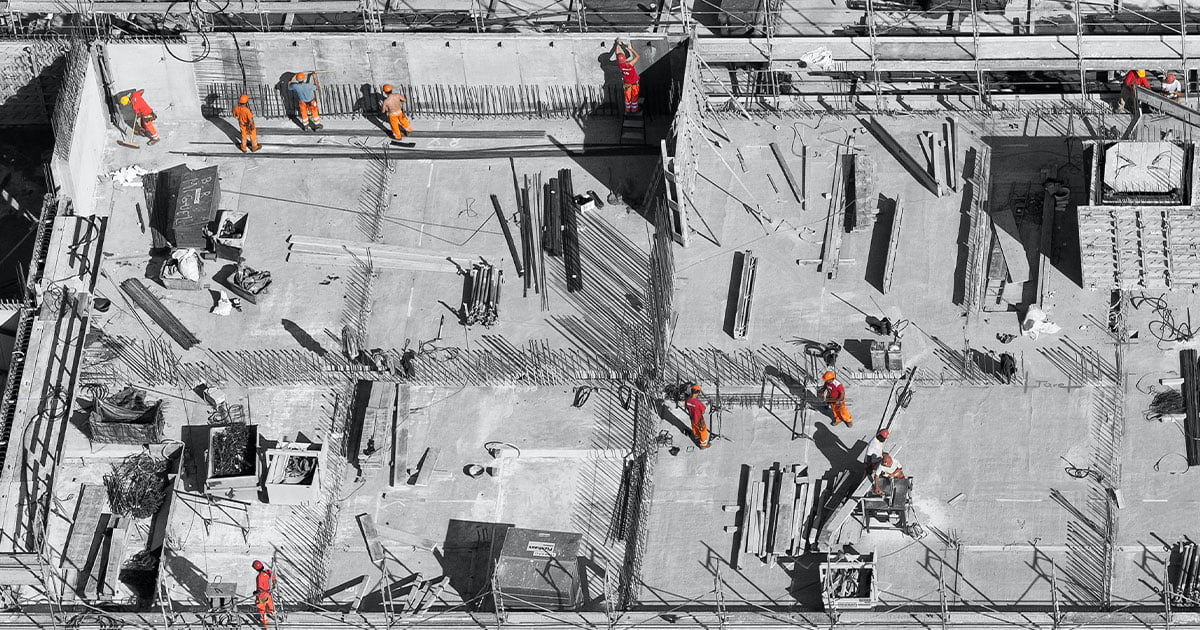
10. Quality Control and Workmanship
Completing construction quickly is not enough.
The finished work must also meet the project’s quality requirements.
General contractors should routinely review work performed by their crews and subcontractors.
Quality-control reviews may involve:
- Dimensions
- Alignment
- Materials
- Installation methods
- Finishes
- Waterproofing
- Construction tolerances
- Hardware
- Equipment installation
- Architectural details
Finding a construction defect immediately is generally much easier than finding the same defect after several additional layers of construction have covered it.
Quality control therefore needs to occur continuously throughout the project—not simply at the end.
11. Communicating With the Owner and Design Team
Construction requires constant communication.
The owner needs to understand:
- Current progress
- Upcoming decisions
- Potential delays
- Unexpected conditions
- Budget changes
- Schedule changes
- Major construction issues
Architects and engineers may need information about field conditions or questions concerning the drawings.
Subcontractors need direction regarding sequencing and coordination.
Suppliers need accurate delivery information.
The general contractor often becomes the central communication point connecting these different parties.
Useful project documentation can include:
- Meeting minutes
- Construction schedules
- Progress photographs
- Requests for information
- Change orders
- Written approvals
- Submittals
- Shop drawings
- Field reports
Good documentation can significantly reduce misunderstandings later in the project.
12. Managing Unexpected Field Conditions
Even carefully planned projects encounter unexpected conditions.
This is particularly common during renovations of older New York City buildings.
Once walls or ceilings are opened, contractors may discover:
- Deteriorated framing
- Old plumbing
- Abandoned pipes
- Water damage
- Structural conditions
- Undocumented electrical work
- Previous construction that does not match DOB records
- Hidden mechanical systems
- Fire-rated construction that has been altered
When an unexpected condition is discovered, the contractor should first document it and determine how it affects the work.
The architect, engineer, owner, or other responsible professional may need to review the condition before work continues.
If the discovered condition represents potentially unpermitted work or an existing violation, the project may also require DOB or OATH/ECB violation resolution or a corrective filing before the project can proceed toward final sign-off.
13. Managing Change Orders
A change order documents a modification to the original construction contract.
Change orders may result from:
- Owner-requested changes
- Design revisions
- Unexpected conditions
- Additional work
- Material substitutions
- Agency requirements
- Scope modifications
A properly managed change order should clearly explain what is changing and how the change affects the contract price and, when applicable, the construction schedule.
The contractor should obtain authorization according to the project’s contractual procedures before performing substantial additional work unless an emergency condition requires immediate action.
Clear change-order procedures protect both the contractor and the owner.
14. Coordinating Required Inspections
Many construction projects require inspections at different stages.
Depending on the scope, inspections may involve DOB, approved agencies, licensed trades, registered design professionals, or special inspectors.
The contractor must understand when the construction has reached a point where an inspection is required.
Timing is critical.
If work requiring inspection is concealed too early, portions of the construction may have to be reopened.
The GC should therefore coordinate inspection requirements before closing:
- Walls
- Ceilings
- Shafts
- Structural assemblies
- Fire-rated assemblies
- Plumbing systems
- Mechanical systems
- Other concealed construction
Inspection coordination should be included in the overall construction schedule rather than treated as an afterthought.
15. Managing Violations and Stop Work Issues
Existing violations can significantly affect a construction project.
An owner may discover an open DOB violation, OATH/ECB summons, Stop Work Order, or previously unpermitted condition while preparing for renovation.
These issues should be investigated early.
Starting new work without understanding existing property conditions may create additional complications during permitting or inspection.
The proper resolution depends on the violation.
Some conditions may require physical correction. Others may require legalization, documentation, hearings, Certificates of Correction, amended applications, or additional professional review.
HN Republic provides DOB, OATH and ECB violation resolution services for property owners and project teams dealing with unresolved compliance issues.
16. Punch List and Final Completion
When the major construction work has been completed, the contractor’s responsibilities are not necessarily finished.
A final review typically identifies incomplete, defective, or unfinished work.
These items are commonly organized into a punch list.
Punch-list items may include:
- Paint touch-ups
- Door adjustments
- Missing hardware
- Damaged finishes
- Incomplete trim
- Fixture adjustments
- Equipment testing
- Cleaning
- Minor corrective work
The GC coordinates completion of these items before final project turnover.
The contractor may also need to provide warranties, manuals, equipment information, subcontractor documentation, and other closeout materials required by the contract.
17. DOB Sign-Off and Project Closeout
One of the most frequently overlooked parts of construction is administrative closeout.
Physical completion does not necessarily mean the DOB application is closed.
A project may still have:
- Open permits
- Missing inspections
- Outstanding objections
- Missing special-inspection reports
- Unresolved technical requirements
- Incomplete contractor sign-offs
- Expired permits
- Open related applications
These issues can remain on a property record for years.
An open construction application may later complicate a property sale, refinancing, future renovation, Certificate of Occupancy application, or new DOB filing.
That is why contractors and owners should think about closeout before construction is complete.
HN Republic’s Certificate of Occupancy, sign-off and project closeout services help property owners identify outstanding DOB requirements, coordinate inspections and documentation, and develop a path toward closing open applications.
General Contractor vs. Architect: Who Is Responsible for What?
Property owners sometimes assume the architect and general contractor perform essentially the same project-management role.
They do not.
The architect’s responsibilities commonly involve:
- Architectural design
- Construction drawings
- Code analysis
- Zoning analysis
- DOB filing documents
- Coordination with engineers
- Responses to plan-exam comments
- Professional services established in the architect’s agreement
The general contractor’s responsibilities commonly involve:
- Construction
- Labor
- Subcontractor coordination
- Construction scheduling
- Material procurement
- Construction means and methods
- Job-site operations
- Quality control
- Field coordination
- Construction closeout responsibilities established in the contract
The two roles frequently interact, but they remain distinct.
A successful construction project usually depends on cooperation among the owner, architect, engineers, general contractor, subcontractors, inspectors, and filing consultants.
General Contractor Responsibilities in New York City
Construction in New York City can require significantly more coordination than simply performing the physical work.
Before beginning a project, the construction team should understand:
- Whether DOB permits are required
- Whether architectural or engineering plans are necessary
- What type of DOB application applies
- Who will obtain the construction permit
- Whether the contractor has the required registration or license
- What insurance documentation is necessary
- Whether special inspections are required
- Whether additional agency approvals are required
- Whether open violations affect the project
- What inspections will be required
- What must be completed for final sign-off
These questions are generally easier to resolve before construction starts.
If you are planning work in New York City, HN Republic provides NYC DOB permit expediting, architectural plans and filing coordination, and zoning and building-code consulting to help property owners and project teams understand the approval process before construction begins.
How to Choose a General Contractor
Choosing a general contractor based entirely on the lowest bid can create problems later.
Before hiring a GC, owners should understand exactly what is—and is not—included in the contractor’s proposal.
Review:
- Scope of work
- Contract price
- Allowances
- Exclusions
- Proposed materials
- Construction schedule
- Insurance
- Subcontractor responsibilities
- Payment schedule
- Change-order procedures
- Warranty provisions
- Previous project experience
Owners should also ask how the contractor handles unexpected conditions and how changes will be documented.
For a project requiring DOB approvals, it can also be helpful to select a contractor who understands NYC construction-permit and inspection procedures.
A detailed proposal may appear more expensive than a short, vague estimate, but clarity before construction can prevent significant disagreements later.
Frequently Asked Questions About General Contractor Duties
What does a general contractor do?
A general contractor manages the execution of a construction project. Responsibilities commonly include scheduling, budgeting, subcontractor coordination, material procurement, construction supervision, quality control, communication, inspection coordination, and project closeout.
What are the main duties of a general contractor?
The main duties generally include planning construction activities, hiring and coordinating subcontractors, managing the schedule and budget, ordering materials, maintaining site operations, resolving field conditions, coordinating inspections, documenting changes, and completing the project.
Is a general contractor responsible for subcontractors?
When subcontractors are hired under the general contractor’s contract, coordinating their work is generally one of the GC’s primary responsibilities. Exact legal and contractual responsibilities depend on the agreements between the parties.
Does a general contractor obtain building permits?
Contractors commonly handle applicable construction work permits, while architects and engineers may prepare and file professional design documents when required. The exact responsibility depends on the jurisdiction and project.
For NYC projects, professional DOB permit expediting and filing coordination can help organize the approval and permitting process.
Is the general contractor responsible for the construction schedule?
Managing the construction schedule is typically one of the general contractor’s primary responsibilities. The GC coordinates subcontractors, materials, inspections, deliveries, and construction sequencing.
What happens if a contractor discovers something that is not shown on the drawings?
The condition should be documented and communicated to the appropriate members of the project team. If it affects design, structural conditions, building-code compliance, approved drawings, or the permitted scope, additional professional review or filing may be required.
What is construction project closeout?
Project closeout is the final process of completing remaining construction, resolving punch-list items, completing required inspections, submitting documentation, obtaining applicable sign-offs, and closing permits or applications.
Learn more about NYC construction project closeout and Certificate of Occupancy coordination.
Final Thoughts
The duties of a general contractor involve much more than providing construction labor.
A capable GC coordinates the people, subcontractors, materials, budget, schedule, field conditions, inspections, documentation, and daily decisions required to transform construction drawings into a completed project.
The strongest contractors do more than react when problems occur.
They anticipate potential issues, communicate clearly, document changes, coordinate with the design team, maintain organized job-site operations, and keep the owner informed throughout construction.
In New York City, this coordination becomes particularly important because renovations and construction projects may involve DOB applications, permits, zoning requirements, inspections, open violations, special inspections, and final agency sign-offs.
HN Republic assists property owners, developers, contractors, architects, engineers, and property managers with NYC DOB permit expediting, architectural plans and filing coordination, zoning and building-code consulting, DOB and ECB violation resolution, and project closeout and Certificate of Occupancy coordination.
If you are planning a construction or renovation project in New York City and need assistance understanding the DOB filing, permitting, zoning, or closeout process, contact HN Republic with the property address and a brief description of the proposed work.
Educational Disclaimer
This article is provided for general educational and informational purposes only. General contractor responsibilities, licensing requirements, permit requirements, insurance obligations, safety requirements, and contractual duties vary depending on the project, property, scope of work, applicable laws, and agreements between the parties.
This information should not be interpreted as legal, architectural, engineering, construction-safety, or insurance advice. Project-specific requirements should be confirmed with the appropriate licensed professionals, contractors, government agencies, legal counsel, and other qualified advisers.