


What is a kitchenette vs kitchen?
Hamoun Niknejad2026-03-12T20:38:51+00:00If you’ve ever looked at a NYC listing and thought, “Wait… what’s the difference between a kitchen and a kitchenette?” — you’re not alone. Real estate ads throw these words around like they mean the same thing. And sometimes, even on drawings, people label a space “kitchen” when it’s really closer to a kitchenette.But when you’re renovating, filing with the NYC Department of Buildings (DOB), or developing small apartments, the wording and the layout can matter. Not because
NYC Door, Safety and Building Code
Hamoun Niknejad2026-03-12T01:20:30+00:00Most owners don’t think about doors until something goes wrong.A tenant complains that the entry door won’t close. An inspector flags a stair door. A contractor installs new hardware, and suddenly, the fire-rated door doesn’t latch. Or you’re near the end of a renovation, and the final inspection turns into a checklist of “door issues.”In New York City, doors are not just architectural details. They’re part of how a building stays safe and code-compliant. Doors affect:means of egress (how people...
What is DOB Letter of No Objection / Verification
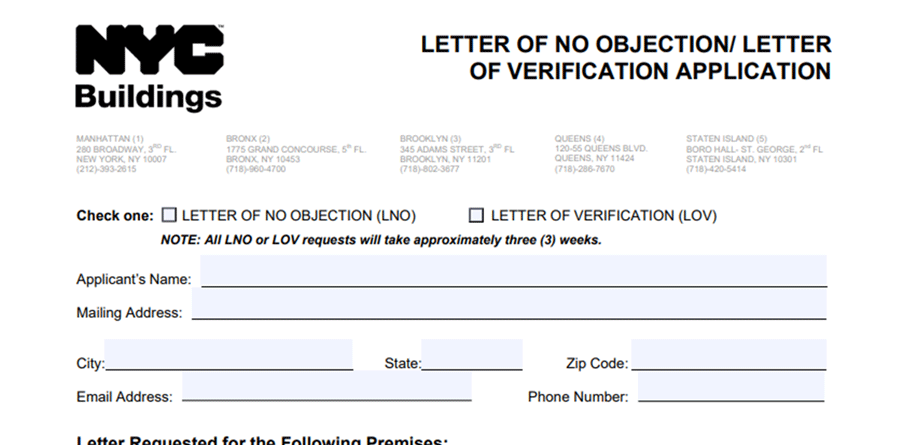
Hamoun Niknejad2026-03-05T02:02:34+00:00In New York City real estate, “legal use” is not a casual detail. It affects sales, leases, financing, and sometimes whether a tenant can even get the permits they need to operate. Most of the time, the legal use is confirmed by the building’s Certificate of Occupancy (C of O)—the document issued by the NYC Department of Buildings (DOB) that summarizes permitted use and occupancy.But NYC has plenty of older buildings where the story is not that...

How to Obtain a DOB Letter of Completion in NYC
Hamoun Niknejad2026-08-23T17:49:00+00:00Finishing construction does not automatically close a permit in New York City. Even when the contractor has completed every visible part of the project, the related application may remain open in the records of the New York City Department of Buildings. To properly close many alteration projects, the required inspections, technical reports, documents, and permit sign-offs must be completed before the Department will issue a Letter of Completion.A DOB Letter of Completion—commonly called an LOC—is an official record confirming that...