Landmark Buildings
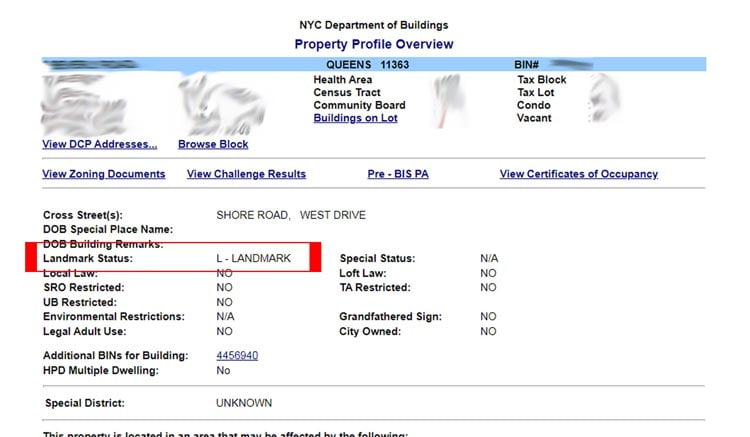
If you own a property in New York City, especially in Manhattan, Brooklyn, Queens, the Bronx, or Staten Island, one of the first things you should check before planning any renovation is whether the building is landmarked or located inside a historic district. That one detail can completely change the approval process for your project.
Many owners assume that if they own the property, they can simply renovate it the way they want. But when a building is protected by New York City’s Landmarks Preservation Commission, commonly known as LPC, the rules are different. LPC review is often required before work begins, even for projects that may seem minor at first.
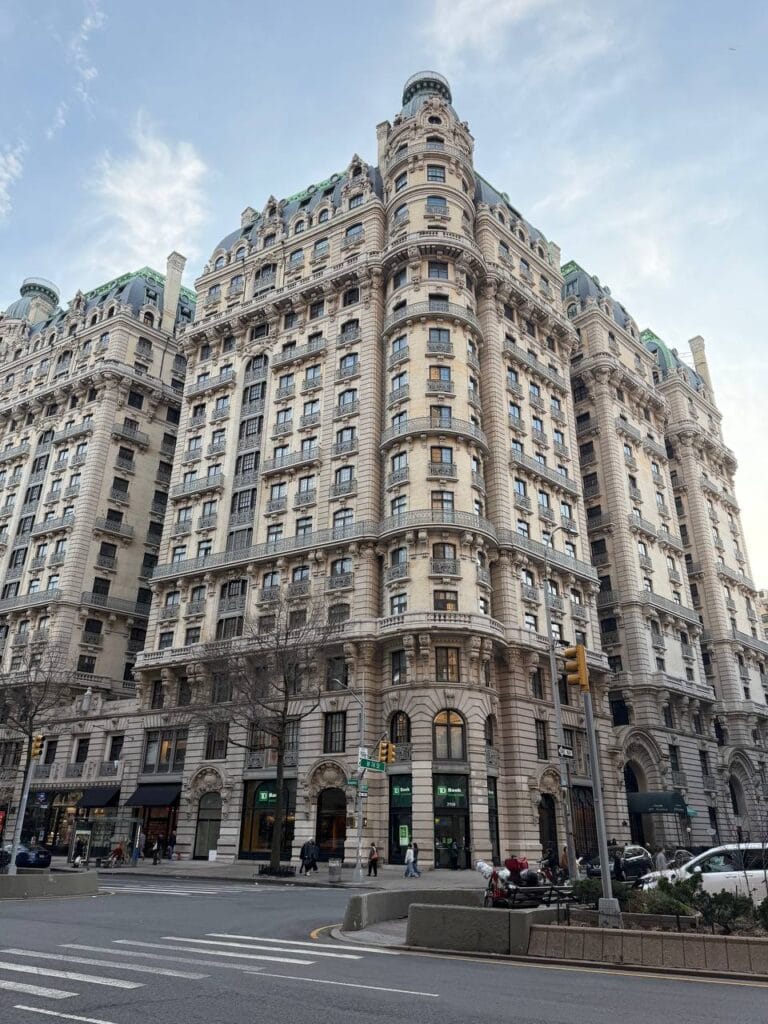
What Is LPC?
The Landmarks Preservation Commission (LPC) is the New York City agency responsible for protecting buildings and sites that have architectural, historical, and cultural significance. In simple terms, LPC helps preserve the physical character and heritage of the city by designating important buildings and neighborhoods and regulating changes made to them after designation.
According to NYC’s official LPC information, the city has more than 38,000 landmark properties, including buildings located in 157 historic districts and historic district extensions, along with individual landmarks, interior landmarks, and scenic landmarks.
What Is a Landmark Building?
A landmark building is a property that has been officially recognized as having special historical, cultural, or architectural value. In New York City, this can mean one of two things:
- the building is an individual landmark, or
- the building is located inside a historic district
An individual landmark is a single building or site with special significance on its own. A historic district is a collection of buildings that together create a meaningful and recognizable character for a neighborhood. In both cases, LPC regulates changes to help protect what makes the property or area historically important.
Why Does LPC Matter for Property Owners?
If your property is landmarked, you cannot simply change its exterior appearance based only on personal preference, budget, or convenience. LPC’s role is to make sure that proposed work is appropriate for the building and the surrounding historic context.
That does not mean landmarked buildings can never be changed. It means the changes must be reviewed carefully. The Commission looks at whether the new work respects the building’s architectural character, materials, proportions, details, and overall visual identity. LPC also reviews whether new additions or alterations fit the historic district without damaging its character.
Why Do You Need a Permit for Work on a Landmark Building?
In New York City, LPC approval is required for most work affecting a designated property. This is because landmark protection is not only about preserving old buildings for appearance alone. It is about protecting the city’s historic fabric and making sure alterations, replacements, demolitions, and new construction do not erase important architectural features.
For many projects, you may also need approval from the Department of Buildings (DOB). In landmark cases, LPC review often comes first or runs alongside the DOB process, depending on the scope of work. For example, if your project needs a DOB permit and involves a landmark property, LPC approval is usually part of the path to obtaining the final construction permit.
What Kind of Work Usually Triggers LPC Review?
LPC permits are commonly required for:
- exterior restoration or alteration
- replacement of windows or doors
- masonry repair or façade changes
- rooftop additions
- rear-yard additions
- demolitions
- installation of visible equipment
- certain interior work that requires DOB permits
- interior work that affects the exterior, such as vents, louvers, or mechanical penetrations
Even if the work is not visible from the street, LPC review may still be required if it affects the exterior of a landmarked building or takes place on a landmark site.
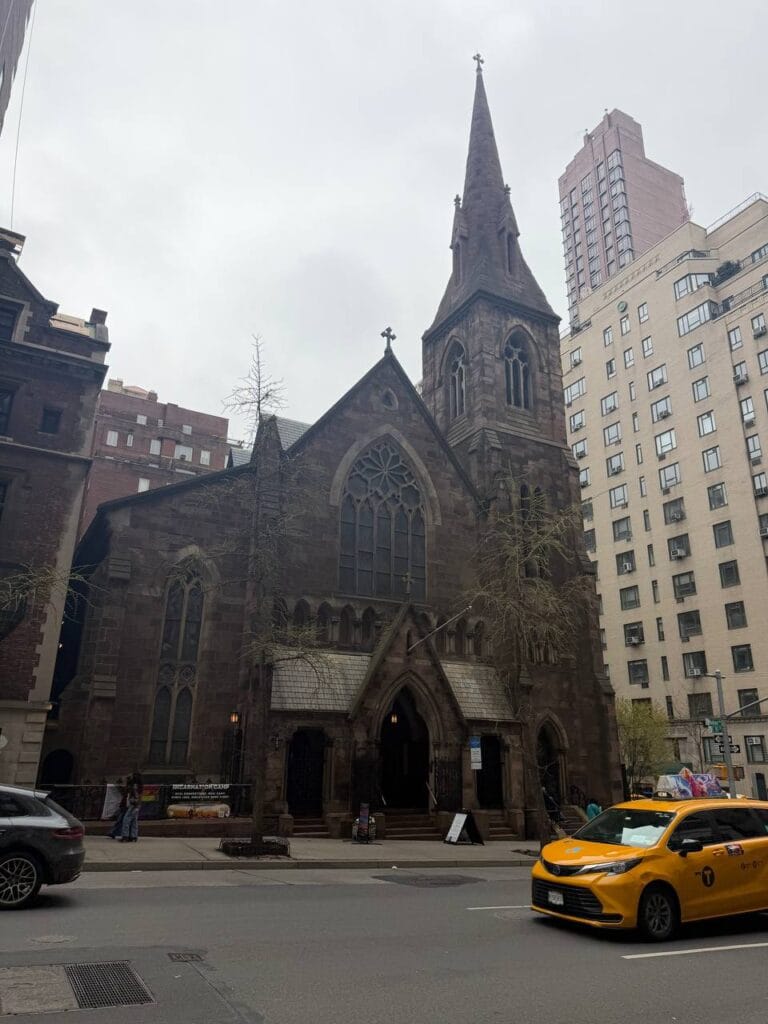
What About HVAC Units, Cameras, and Other Modern Equipment?
This is one of the most common issues in landmark projects today.
Owners often want to add modern systems such as HVAC condensers, ductwork, security cameras, lighting, intercoms, or other technology upgrades. These improvements are often necessary, but on a landmark building, they must be designed carefully. LPC wants to make sure modern equipment does not visually overwhelm or damage the historic building.
That is why architects usually need to submit detailed information, such as:
- location of the equipment
- visibility from the street or neighboring properties
- mounting details
- color and finish
- material specifications
- manufacturer or model information
- drawings, photos, and sometimes renderings
The goal is not to prevent upgrades. The goal is to integrate them in a way that preserves the historic character of the property.
Are Interior Renovations Easier?
In many cases, yes. Interior-only projects are often more straightforward than exterior work because LPC is usually most concerned with protecting the building’s exterior appearance and other designated features.
However, that does not mean interior work is automatically exempt. If the interior work requires a DOB permit, affects the building’s exterior, or involves a designated interior landmark space, LPC review may still be required. Many interior renovation filings receive a Certificate of No Effect when the work does not change protected architectural features.
What Types of LPC Permits Are There?
LPC generally issues three main types of permits:
1. Certificate of No Effect (CNE)
Used when the project needs a DOB permit but does not change protected landmark features. Interior renovations often fall into this category.
2. Permit for Minor Work (PMW)
Used for limited work affecting protected features that does not require a DOB permit, such as certain window, door, masonry, or detail repairs.
3. Certificate of Appropriateness (CofA)
Used for larger or more visible changes, such as additions, demolitions, or major façade changes. This type of application may require a public hearing.
The Bottom Line
Owning or working on an NYC landmark building comes with extra responsibility. Before starting construction, replacing exterior elements, or installing modern equipment, you need to understand whether LPC approval is required.
The safest approach is to confirm the property’s landmark status early, then prepare the project with the right drawings, specifications, and filing strategy. A well-prepared landmark application can save time, reduce objections, and help move the project more smoothly through LPC and DOB review.
In short, LPC exists to protect the historic identity of New York City, and if your building is landmarked, permits matter because every approved change must respect that architectural history.